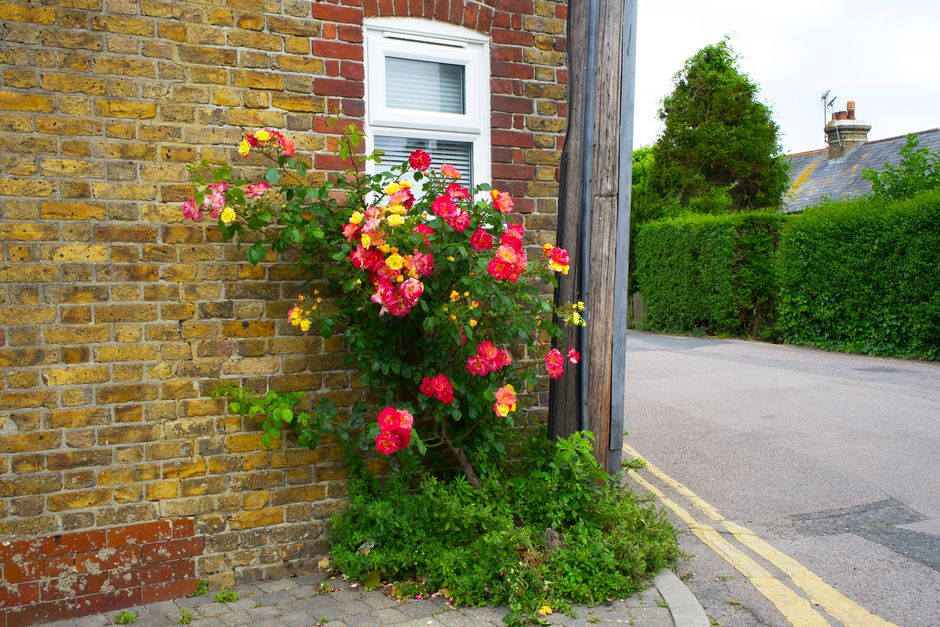
Barnet Council rules for floral roadside displays in Whetstone
Posted on 03/10/2026
If you are planning a floral roadside display in Whetstone, the details matter more than most people expect. A few planters outside a shop, a seasonal flower arrangement near a frontage, or a commemorative display on a pavement edge can all look simple at first glance. Then the practical questions arrive: do you need permission, what about footway obstruction, and how do Barnet Council rules for floral roadside displays in Whetstone actually work in day-to-day life?
Truth be told, this is one of those local topics where a little care saves a lot of hassle. A display that looks lovely on a summer morning can cause problems by lunchtime if it narrows the pavement, tips in the wind, or creates confusion about who is responsible for maintenance. In this guide, we will walk through the rules in plain English, the common risks, and the best way to set up a display that feels welcoming rather than awkward.
We will also cover how to think about safety, ownership, and public-space etiquette, because roadside flowers are never just about beauty. They are about balance. And in a place like Whetstone, where people are walking, parking, shopping, and moving through tight spaces all day, that balance matters.
Why Barnet Council rules for floral roadside displays in Whetstone Matters
The short version? Because roadside displays sit in a shared space. They are not the same as flowers in your own garden or even flowers on private property visible from the street. Once a display touches the pavement edge, highway verge, shop frontage, kerbline, or any area used by the public, the rules become more relevant.
In Whetstone, that can mean a lot of different things in a small area. A florist outside a shop, a cafe with seasonal planters, a business adding colour for passing trade, or residents placing flowers in memory of someone could all be thinking about the same thing from different angles. What seems like a harmless gesture can become a nuisance if it blocks visibility, interferes with walking routes, or is attached to street furniture without permission.
There is also a reputational side to it. If a display looks tidy, secure, and thoughtful, it usually adds to the street. If it looks improvised, overspills onto the pavement, or needs constant rescue after windy weather, people notice that too. Let's face it, nothing says "local pride" quite like a flower arrangement half-dragged across the pavement by the rain.
Practical takeaway: the safest approach is to treat roadside floral displays as a public-facing installation first and a decorative one second. If it could affect pedestrians, drivers, or public land, think carefully before placing it out.
That mindset helps you stay on the right side of Barnet Council expectations, while also keeping neighbours, passers-by, and delivery drivers onside. And that is usually the real goal anyway.
How Barnet Council rules for floral roadside displays in Whetstone Works
There usually is not one single "flower rule" that covers everything. Instead, the situation is shaped by a mix of local highway considerations, public safety duties, land ownership, and whether the display is on private land or the public highway. The exact permission needed can vary depending on location, size, permanence, and whether anything is fixed to the ground or to council-owned items such as railings or posts.
In practical terms, the first question is simple: where will the display sit? If it is fully within private land and clearly set back from the pavement, the rules are usually more straightforward. If it is on or overhanging the public footway, near a junction, or partly on the carriageway, the level of scrutiny goes up quickly.
Another important point is visibility. Floral roadside displays can affect sightlines for drivers, cyclists, and people crossing at side roads. A low arrangement might seem harmless, but if it sits in the wrong spot, it can still create a real issue. This is especially true near corners, driveways, bus stops, and parking bays where people are already concentrating on a lot of moving parts.
For some setups, you may also need to consider whether the display could be interpreted as an obstruction or a hazard. Heavy planters, unstable stands, trailing ribbons, watering trays, and loose decorative elements are all things that can become a problem in wet or windy conditions. A display can look perfectly fine at 9 a.m. and be wobbling by 2 p.m. after a bit of London weather gets involved.
If you are unsure, the sensible move is to treat the display as something that needs checking from three angles:
- Pedestrian safety: can people pass comfortably, including prams, wheelchairs, and mobility aids?
- Highway safety: does the display affect drivers, cyclists, or visibility at the kerb?
- Property control: do you actually have the right to place it there?
Those three questions solve a surprising number of problems before they start.
Key Benefits and Practical Advantages
When floral roadside displays are done properly, the benefits are not just visual. They can improve how a frontage feels, support local identity, and make a business or home feel more cared for. In a neighbourhood like Whetstone, those small touches can make a noticeable difference, especially along walking routes where people respond quickly to what they see.
Some of the main advantages include:
- Better street appeal: a neat flower display can soften hard paving and busy traffic edges.
- Stronger local presence: for businesses, it can make a shopfront feel more welcoming and memorable.
- Seasonal flexibility: you can adapt the display for spring, summer, winter, or special occasions.
- Community goodwill: well-kept flowers often feel thoughtful rather than intrusive.
- Simple brand signal: for cafes, florists, and hospitality venues, the visual cue can be very effective.
There is also a quieter benefit that people sometimes overlook. A careful display signals that you pay attention to detail. That matters when neighbours are deciding whether your frontage feels tidy, safe, and well managed. It is a small thing, yes. But small things add up.
For flower businesses specifically, roadside displays can also support product presentation. A modest, well-designed arrangement outside a shop can showcase style without needing a full sales pitch. If you want ideas that align with seasonal stock or delivery offerings, you might also look at local florist options in Whetstone and see how different presentation styles fit the area.
Who This Is For and When It Makes Sense
This topic is relevant to more people than you might think. It is not only for florists, although they are often the first group to think about it. It also matters to shops, cafes, restaurants, event organisers, landlords, local residents, and community groups.
You may need to think about Barnet Council rules for floral roadside displays in Whetstone if you are:
- a florist placing planters, tribute flowers, or seasonal arrangements near your premises
- a business owner trying to make a frontage more attractive
- a resident arranging roadside flowers in memory of someone
- an event planner decorating an outside area for a wedding, celebration, or community gathering
- a property manager responsible for a frontage that borders public pavement
It makes sense to pause and check the rules before you buy materials, especially if the display is meant to stay in place for more than a day or two. Temporary flowers are one thing. Anything with weight, fixings, signage, or long-term positioning is another matter altogether.
One practical example: a cafe wants two large planters at the edge of its outdoor seating area. The flowers are lovely, but if the pavement narrows too much during the morning rush, the display becomes a pedestrian issue rather than a decorative one. That is the point where careful layout matters more than the flowers themselves.
Step-by-Step Guidance
If you want to do this sensibly, work through the process in order. Skipping the basics is how avoidable problems creep in. And nobody wants a perfectly arranged display that ends up being moved after one complaint or a quick inspection.
-
Confirm the exact location.
Map out the display area properly. Know whether it sits on private land, the pavement edge, a verge, or anywhere that could be considered part of the highway.
-
Check for obstruction risks.
Stand where a pedestrian would stand. Can someone with a pushchair, wheelchair, or shopping bag pass without squeezing through? If not, rethink the layout.
-
Think about visibility.
Look from a driver's angle as well as a pedestrian's. The display should not block junction views, hidden exits, or crossing sightlines.
-
Choose stable materials.
Use containers, stands, or planters that can handle wind, spray, and passers-by brushing past. Lightweight decorative items are fine, but only if they stay put.
-
Keep the display proportionate.
Smaller can be better. A tidy arrangement that feels deliberate usually works better than a large, sprawling setup that looks like it took over the pavement overnight.
-
Plan maintenance.
Flowers wilt, soil spills, petals scatter. You will need a watering plan, a cleaning plan, and a quick way to remove damaged items.
-
Document what you are doing.
Take photographs, note measurements, and record where the display sits. If there is ever a question later, simple records help more than memory.
-
Review after the first day.
Conditions change. After a busy morning or a gusty afternoon, check whether the display still feels safe and orderly.
If the display is for a short-lived event, you may only need a lighter-touch process. If it is seasonal or ongoing, treat it like a small street feature and manage it accordingly. That extra bit of care is usually worth it.
Expert Tips for Better Results
Over time, the best roadside displays tend to share the same qualities: they are simple, secure, and sympathetic to the street. Fancy is not always better. In fact, sometimes the most elegant arrangement is the one that quietly does its job without asking for attention every five minutes.
Here are a few practical tips that make a genuine difference:
- Use consistent colour palettes: a limited palette often looks more polished than too many mixed tones.
- Keep height under control: low-to-medium arrangements usually reduce obstruction and wind risk.
- Weight containers properly: if a planter can be nudged over with one hand, it probably needs more ballast.
- Match the setting: a heritage-style frontage may suit softer arrangements, while a modern shopfront may take bolder lines.
- Use weather-aware flowers: not every bloom likes sun, drizzle, or roadside dust. Pick varieties that cope well.
- Refresh rather than overbuild: a smaller display renewed regularly often looks better than one large arrangement left to fade.
Another useful habit is to ask one plain question before finalising anything: would I still think this was fine if I were walking past it twice a day? That tends to cut through the enthusiasm, which is no bad thing.
If the display is tied to a special occasion, such as a wedding, tribute, or seasonal promotion, choosing flowers that travel and hold well can help. For example, browsing wedding flowers in Whetstone or funeral flower arrangements can give you a feel for styles that already suit local expectations and presentation standards.
Common Mistakes to Avoid
A lot of issues with roadside displays are not dramatic. They are small oversights. A planter placed a bit too far out. A ribbon that flaps into the pavement. A vase that has no ballast. One thing leads to another, and suddenly the display is more nuisance than feature.
Common mistakes include:
- Placing displays too close to the kerb: this can affect traffic safety and reduce reaction time for drivers.
- Blocking the footway: even a beautiful display is a problem if it creates a squeeze point.
- Ignoring wind and rain: London weather has a way of humbling people who assume a display will stay still.
- Using fragile containers: cracked pots, thin stands, and light boxes can fail quickly.
- Forgetting maintenance: dead heads, muddy overspill, and fallen petals can make the display look neglected.
- Assuming permission is automatic: this is probably the biggest one. It usually is not.
There is also a social mistake worth mentioning. Some people build a display as if nobody else matters, then act surprised when it causes annoyance. That approach almost always backfires. A better one is to imagine the street as a shared room, not your personal showcase.
Tools, Resources and Recommendations
You do not need a large toolkit to do this well, but a few practical items make roadside displays much easier to manage. Think neatness, stability, and maintenance. Those three will do a lot of heavy lifting.
Useful items include:
- Measuring tape: to check width, clearance, and spacing.
- Camera or phone photos: useful for pre-checks and records.
- Weighted planters or stable bases: to reduce toppling in wind.
- Watering cans or secure irrigation: depending on how long the display stays up.
- Cleaning materials: for petals, soil spill, and general tidy-up.
- Simple written notes: what was installed, where, and when it should be reviewed.
When choosing flowers, it often helps to think about resilience as much as beauty. Some displays are meant to be admired up close for a few hours. Others need to cope with daytime traffic, dust, and weather changes. For longer-lasting arrangements, services such as flower care guidance can be useful, especially if you want the display to stay fresh rather than limp by midweek.
If you are working to a budget, it may also help to consider simpler, lower-cost arrangements that still look tidy. A carefully chosen seasonal display can sometimes outperform a more expensive one that is hard to maintain.
Law, Compliance, Standards, or Best Practice
While you should always check the current position for your specific location, the big compliance themes are fairly consistent in practice: public safety, obstruction, ownership, and maintenance. If a floral roadside display interferes with the highway or creates a hazard, it can attract attention even if the intention was harmless.
Best practice usually includes the following:
- Keep pathways clear: pedestrians should not be forced into the carriageway or a narrow squeeze.
- Avoid creating hazards: loose fittings, unstable containers, and hidden trip points are a problem.
- Respect the boundary between private and public land: if in doubt, do not assume the public space is available.
- Maintain the display: a neglected display can become unsightly and unsafe surprisingly quickly.
- Check accessibility impact: inclusive access matters, especially where pavements are already tight.
In many cases, the safest answer is not "can I put flowers here?" but "can I put flowers here without affecting movement, visibility, or responsibility?" That nuance matters. It is also the part most people miss when they are focused on the look of the arrangement.
If you are planning something more ambitious, such as a frontage installation for a special event or repeated seasonal use, it may be sensible to compare display types and think about how often they need adjusting. For example, a small mixed-colour display from mixed colour flowers may be easier to maintain than a taller, more elaborate arrangement that needs frequent correction.
Options, Methods, or Comparison Table
Different roadside floral setups suit different purposes. A display for a one-day celebration is not the same as a year-round frontage arrangement. The table below gives a simple way to compare the most common approaches.
| Display type | Best for | Main advantage | Main risk |
|---|---|---|---|
| Small planter near frontage | Shopfronts, cafes, short-term decoration | Easy to manage and usually less intrusive | Can still obstruct if placed badly |
| Window-adjacent floral display | Businesses with a visible frontage | Boosts presentation without taking much space | Overhang can create problems |
| Memorial flowers at the roadside edge | Tributes and remembrance | Personal and respectful when handled carefully | Can be vulnerable to weather and foot traffic |
| Temporary event arrangement | Weddings, launches, local celebrations | Flexible and visually strong for a short period | Requires good timing and quick removal |
| Long-term verge or frontage display | Established businesses and community spaces | Strong identity and ongoing visual appeal | Needs regular maintenance and ongoing checks |
If you are undecided, start smaller. That sounds obvious, but it works. A modest display gives you room to learn what the street can handle without committing to something expensive or hard to reverse.
Case Study or Real-World Example
Here is a realistic scenario. A small Whetstone business wants to place two flower containers outside its entrance for spring. The owner likes the idea of a warm welcome and wants the frontage to feel more polished. The first draft is a little ambitious: tall planters, trailing greenery, and decorative stakes. On paper it sounds lovely. In practice, the containers would make the footway feel tighter than it should.
After stepping back, the owner changes course. The revised setup uses lower planters, more compact blooms, and enough clearance for two people to pass comfortably. The flowers are arranged so they do not spill into the pedestrian line. A quick review after the first weekend confirms that the display still looks good even when people walk past with bags, pushchairs, and takeaway coffees. That is the kind of everyday success that matters.
The interesting thing is that the simpler version often performs better visually too. It looks deliberate. It feels calm. It does not shout. And because it is easier to maintain, it stays fresh longer. There is a lesson there, if you want one: good roadside displays are rarely the busiest ones.
For seasonal occasions, businesses often pair flowers with additional presentation touches. If you are planning a celebration display, browsing options like flower delivery in Whetstone or best-selling arrangements can help you choose something suitable without overcomplicating the setup.
Practical Checklist
Use this checklist before placing any floral roadside display in Whetstone. It is a small bit of admin that can save a bigger headache later.
- Have I confirmed whether the display is on private land or public highway space?
- Does the display leave enough room for pedestrians, prams, and wheelchairs?
- Could the arrangement affect driver visibility or turning space?
- Are the containers stable enough for wind, rain, and passers-by?
- Will the flowers stay tidy without constant rescue?
- Do I know who is responsible for watering, cleaning, and removal?
- Have I avoided loose items that could blow away or become trip hazards?
- Is the display proportionate to the frontage and the street?
- Have I taken photos and notes in case anything needs reviewing later?
- Do I have a plan to remove or adjust the display quickly if needed?
That last one is easy to overlook. But it matters. A display is only as good as your ability to look after it when conditions change.
Get a free quote today and see how much you can save.
Conclusion
Barnet Council rules for floral roadside displays in Whetstone are really about common sense applied carefully. The flowers themselves are not the issue. The issue is where they sit, how they affect the public space, and whether they are maintained properly. Once you treat the display as part of a shared street environment, the decisions become much clearer.
Keep it neat. Keep it stable. Keep it clear of obstructions. And if the setup feels too close to the edge, it probably is. A good display should make the street feel more welcoming, not more complicated.
If you plan with a bit of restraint and a bit of care, you can create something that feels warm, local, and genuinely pleasant to pass by. That is usually the sweet spot. And honestly, it is the nicest kind of street improvement: quiet, thoughtful, and just enough.
Frequently Asked Questions
Do I need permission for floral roadside displays in Whetstone?
It depends on where the display is placed and whether it affects the public highway, pavement, or visibility. If it is on or near shared public space, permission or approval may be needed. If you are unsure, check before installing anything permanent or semi-permanent.
Can I put flower planters on the pavement outside my shop?
Sometimes, but only if they do not obstruct pedestrians and are acceptable under local rules. The pavement must remain safe and passable. Even a small planter can cause a problem if the street is already narrow.
What counts as a roadside floral display?
It can include planters, flower tubs, tribute flowers, decorative arrangements, and seasonal frontage displays placed near the road or footway. The key question is whether the display interacts with public space rather than staying fully within private land.
Are memorial flowers treated differently?
They may be handled with more sensitivity, but they still need to avoid causing obstruction or safety issues. A tribute can be respectful and still need careful placement. The fact that something is emotional does not remove the practical checks.
How wide should a clear walkway be around a floral display?
There is no universal figure that suits every location, because the layout and local conditions matter. The practical aim is simple: people should be able to pass comfortably without stepping into danger or squeezing around the display.
Can I attach flowers to railings or street furniture?
Not unless you are sure it is allowed. Fixing items to public furniture can create maintenance, safety, and ownership issues very quickly. It is one of those ideas that sounds harmless until someone has to untangle it later.
What are the most common reasons councils object to roadside displays?
Obstruction, safety risk, poor visibility, unstable fixings, and lack of permission are the big ones. Neglected displays can also become a concern if they create litter, spill soil, or look unsafe in bad weather.
How often should a floral roadside display be checked?
At least regularly enough to catch damage, wilting, and movement caused by weather or foot traffic. For displays near busy pavements, daily checks are sensible. A quick look in the morning can save a messy afternoon.
Are temporary event flowers easier to manage than permanent displays?
Usually, yes. Temporary displays are easier to approve, install, and remove because they have a defined end point. Permanent displays need more planning and a stronger maintenance routine.
What flowers are best for roadside displays in London weather?
Choose flowers and foliage that can handle wind, rain, and fluctuating temperatures. Resilient varieties and stable containers tend to work better than delicate arrangements. If in doubt, keep the design compact and easy to refresh.
What should I do if my display is causing a nuisance?
Adjust it quickly. Move it back from the kerb, reduce its width, or remove items that are tipping or overhanging. It is better to make a small correction early than wait for a complaint or a safety issue.
Where can I find suitable flower options for a compliant display?
Start with simple, stable arrangements that suit the frontage and the season. For local inspiration, you can look at options like flower shops in Whetstone and compare the styles that are easiest to keep tidy and presentable.